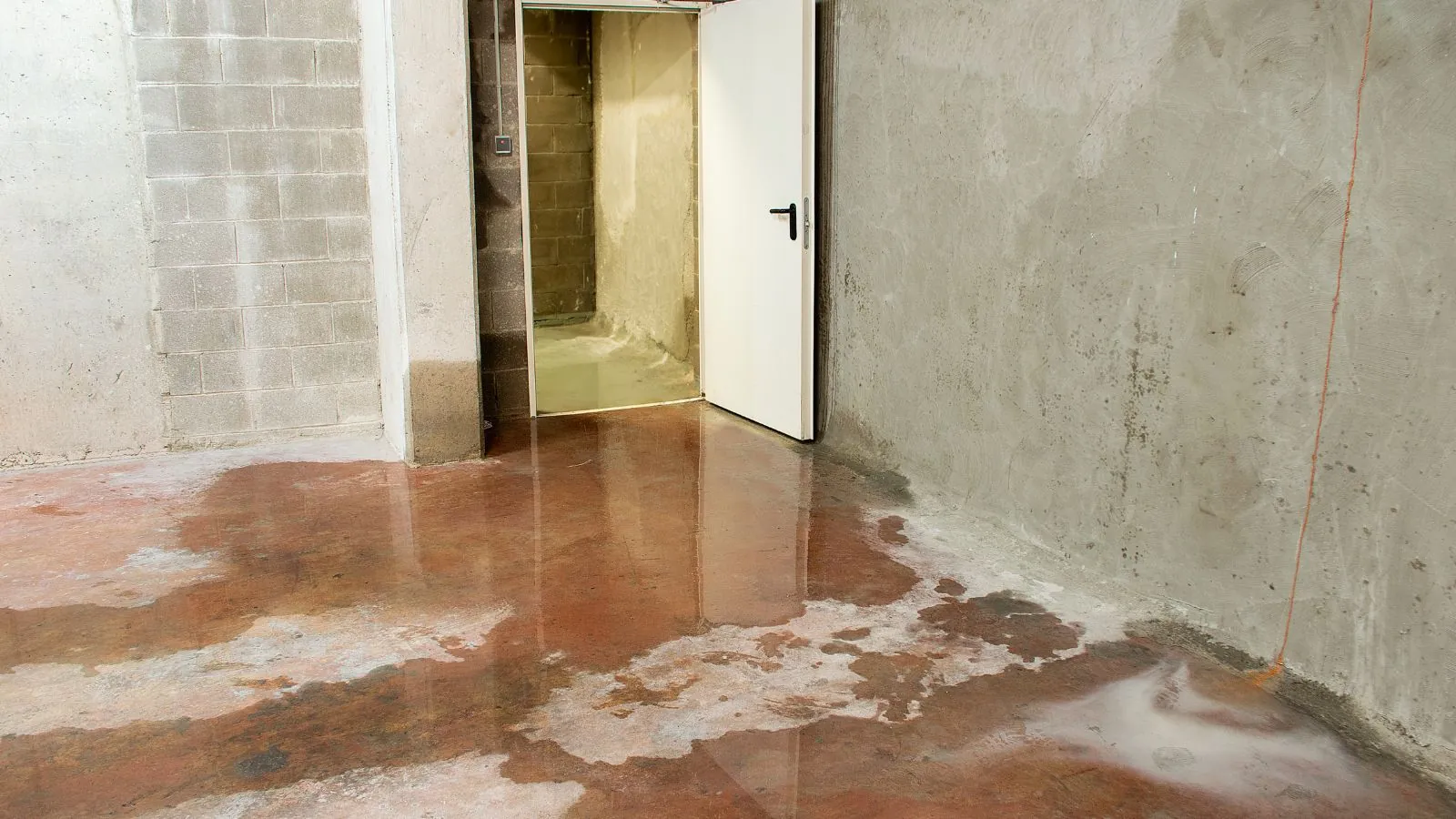
Commercial water damage in Taylor, MI is a business problem as much as a building problem. A burst line over a stockroom or a roof drain overflow in a strip center stops sales until the space is safe. The dispatch line is open 24/7, and the first step while you wait is to shut off the water to the affected section, move inventory and records out of the wet zone and photograph the loss.
Commercial jobs differ from home jobs in three ways. Larger floor areas change the equipment plan. Shared walls and ceilings mean one tenant's leak becomes another tenant's emergency. And downtime has a cost that a house does not have, which is why the scope should address how quickly the space can reopen.
When a commercial loss is an emergency
Treat it as urgent when water reaches electrical equipment, inventory, patient or customer areas or a floor shared with other tenants. After-hours and weekend calls are normal for commercial losses, since many leaks are found when someone opens in the morning. Same-day response is offered when crews are available.
Where Taylor businesses are exposed
The Eureka Road corridor is the city's main shopping district, with the Southland Center area at Eureka and Pardee and the Trader's Pointe development at Eureka and I-75 on the former Gibraltar Trade Center site. Telegraph Road (US 24) carries the other long run of storefronts and offices.
Retail strips like these share walls, ceilings and often a single roof, so a failed unit or drain over one tenant can reach the neighbors. If you lease, ask the landlord early who controls the shutoff and who files the insurance claim.
That tie-back is why this page asks about the building, not just the room. Know where your own shutoff is and where the shared ones are, and keep a tenant contact list posted for after-hours calls.
How a commercial restoration runs
- Safety survey for electrical hazards, slip risks and contamination before any equipment goes in.
- Extraction with pumps, wet vacuums or truck-mounted units sized for the floor area.
- Moisture mapping across floors, walls and ceilings with meters and thermal imaging.
- Staged drying that keeps open areas of the business usable where it is safe.
- Written scope, photos and readings for the property owner, the tenant and the insurers.
Drying methods match the building. Commercial carpet tile can sometimes be lifted and dried, while glued-down flooring may need removal. Suspended ceiling tiles that got wet are normally replaced. The drying process is described on the structural drying page, and a plumbing failure upstream is covered under burst pipe water damage.
| Concern | What the scope addresses |
|---|---|
| Downtime | Which areas can reopen first and which stay closed |
| Inventory and records | What is moved, protected or documented before work |
| Shared walls | Moisture mapped into adjoining tenant spaces |
| Utilities | Power, HVAC and fire system impacts flagged for the owner |
| Documentation | Photos, readings and a scope for each insurer involved |
Commercial cost factors
Commercial price is driven by floor area, water category, the materials involved, the drying days needed and whether work must happen at night to protect business hours. Scope and price are explained before work starts, so the owner can compare the cost to the lost revenue from waiting.
Business property policies vary a great deal, and many carry separate terms for business interruption. Michigan's insurance regulator says sudden and accidental water damage is often covered while flood generally is not. Ask your agent which parts of your loss apply, and keep every invoice and photo. Our crews also work in Dearborn and Southgate commercial districts.
Questions people ask
Do you handle commercial water damage emergencies at night or on weekends in Taylor?
Yes. The dispatch line is open 24 hours a day, every day. Many commercial leaks are discovered at opening time, so early-morning and weekend calls are common.
Can you work while my business stays open?
Often, in sections. The crew can stage extraction and drying so unaffected areas stay usable where it is safe. The assessment will say which areas can stay open.
Who pays when a neighboring tenant's leak floods my unit?
That depends on the lease and the policies involved. Document the damage, notify the landlord in writing and ask both insurers what applies.
Do you document the loss for the insurance company?
Yes. Crews photograph conditions, log moisture readings and write a scope of work. Your insurer makes the coverage decision.
Does the page cover tenant improvements and finishes?
The restoration scope can include flooring, ceilings and drywall repairs. Ask what falls to the landlord and what falls to you under the lease.