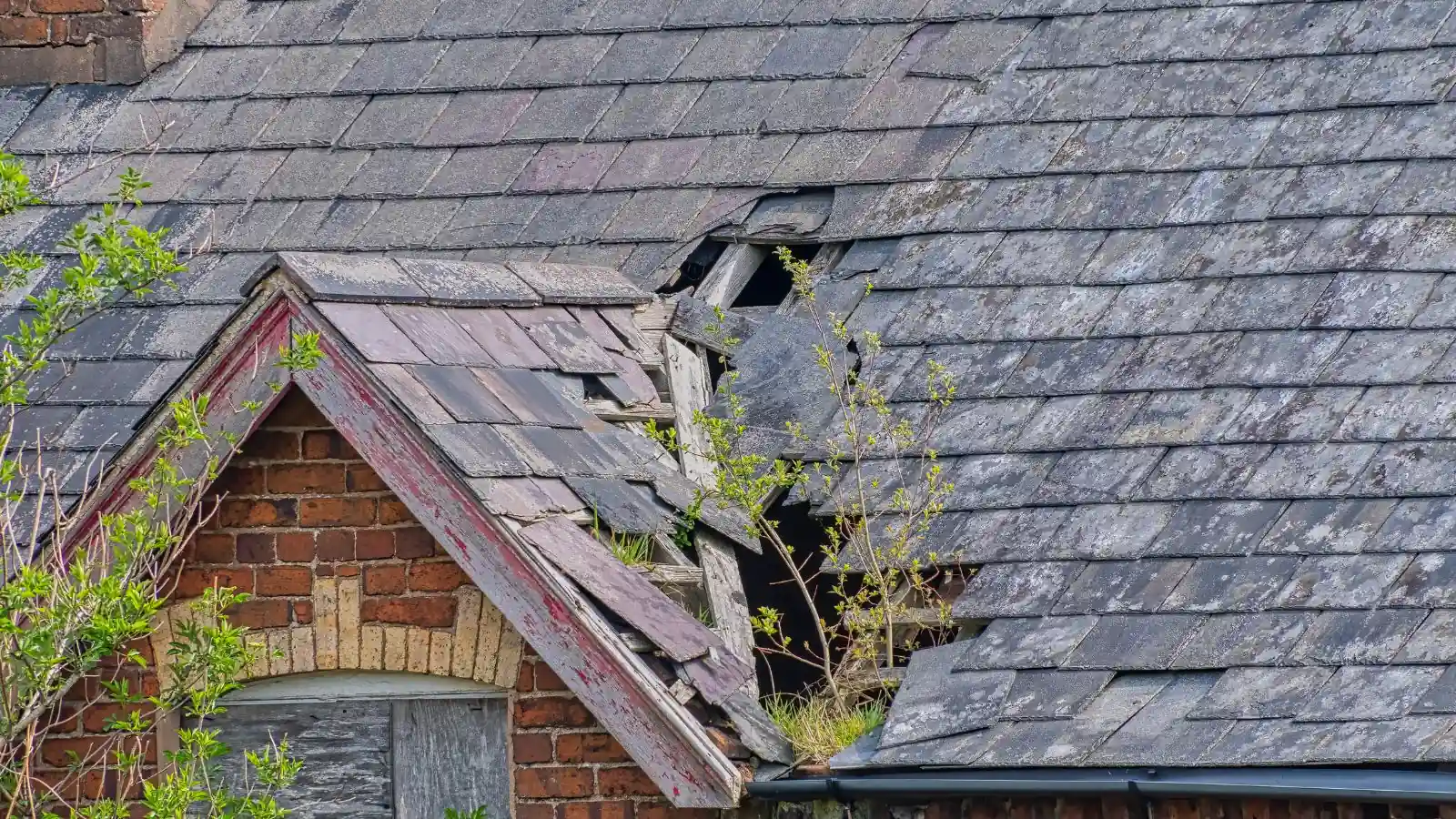
Storm water damage cleanup in Taylor, MI covers what a storm does to the inside of a building through the building envelope: shingles that lift in high wind, flashing that gives way, windows pushed past their seals and siding that lets wind-driven rain behind it.
It does not cover rising water, which is on the flood damage page. If water is coming in right now, call the 24/7 dispatch line and stay away from downed lines and wet fixtures.
Storm damage is an emergency twice over. The water inside needs to be removed, and the opening needs to be protected from the next band of rain. Same-day response is offered when crews are available, and storm calls come in at all hours, so the line never closes.
When storm water is an emergency
Call when water is dripping through light fixtures or ceilings, when insulation is soaked, when a window or door has blown in or when a section of roof is missing. After a major storm, crews are in demand across the region, so describe your situation clearly so the dispatcher can sort calls by urgency.
- Stay out of rooms with sagging ceilings and keep clear of downed or hanging wires.
- Photograph damage from outside and inside before cleanup, for the insurer.
- Move furniture and electronics out of the wet area.
- Do not climb a wet roof. Call a roofer for temporary protection.
- Ask the dispatcher about emergency board-up and tarping if the opening is large.
How rain gets in
| Entry point | Typical result |
|---|---|
| Missing or lifted shingles | Wet deck and insulation, ceiling stain below |
| Failed flashing at a chimney or wall | A leak that tracks down the wall |
| Window or door seals | Wet sills, trim, drywall and floors |
| Siding and vents | Water behind the wall that shows late |
| Gutters and downspouts | Water at the foundation, see the basement page |
A roof leak that reaches the ceiling is covered in detail on the ceiling water damage page. The wet attic insulation that tends to come with it is removed, because it holds water against the framing for a long time.
Storm cleanup, step by step
The crew checks safety first, then extracts standing water and removes ruined materials. If the opening is still exposed, temporary protection such as a tarp or board-up keeps more water out until the roofer or window contractor completes the permanent repair. The drying stage uses air movers and dehumidifiers and is described on the structural drying page.
A storm that also floods the lower level makes two jobs. The basement page covers the groundwater side. Keeping them separate on paper makes the claim clearer, since coverage for wind-driven rain and coverage for flooding are not the same.
Permits and the city
Roof, window and structural repairs often need a permit, and the rules vary. Ask the City of Taylor building department what applies before the permanent repair starts. We do not assume a rule that the city has not stated.
Storm damage cost factors
Price follows the size of the opening, the amount of water inside, the materials affected, the drying days and the repair scope. Temporary protection is its own line in the scope. Scope and price are explained before work starts.
The state insurance regulator's guidance after severe weather is to contact your insurer or agent with your policy number, say you have water damage and ask what coverage applies. Wind-driven rain through a storm-damaged roof is a different kind of claim from a flood, and a standard homeowners policy does not cover flood. Crews serve Dearborn and Garden City after the same storms.
Questions people ask
Do you handle storm water damage emergencies at night or on weekends in Taylor?
Yes. The dispatch line is open 24/7. Storms do not keep business hours, and same-day response is offered when crews are available, although demand rises after major weather.
What is the difference between storm damage and flood damage?
Storm damage is wind and rain coming through the roof, walls or windows. Flood damage is water that rises from outside. They are cleaned differently and often insured differently.
Can you tarp my roof?
Ask the dispatcher about emergency protection for the opening. A roofer handles the permanent roof repair.
Should I file a claim for a small storm leak?
Ask your insurer what applies and what your deductible is. Take photos either way, since a small leak can reveal more damage later.
How soon should the attic insulation come out?
Wet insulation holds water against the framing, so it should be assessed quickly. The crew uses a moisture meter to decide.