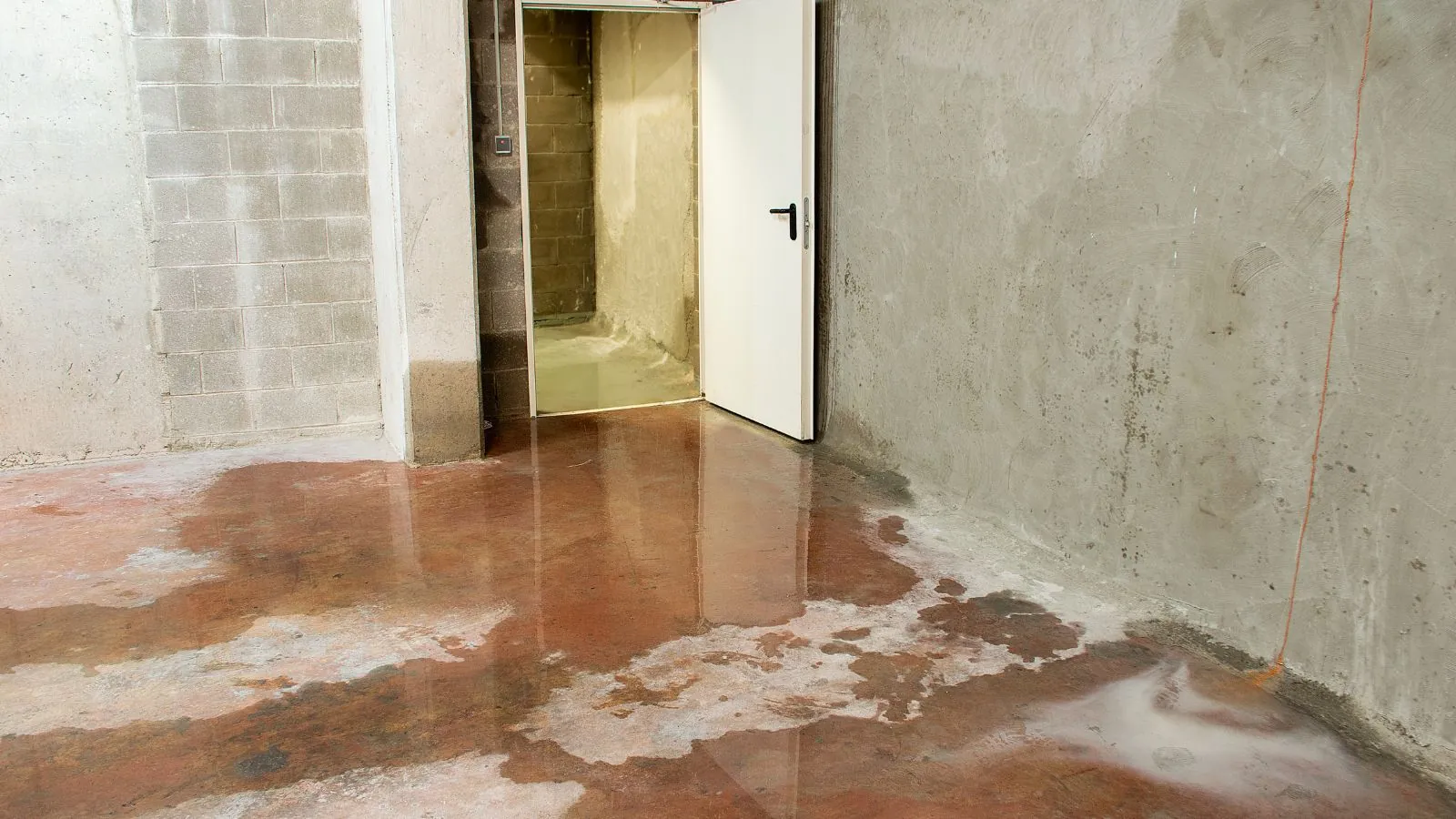
A single number for water damage restoration cost is a guess. A small clean-water spill that dries in a day and a basement that sat under sewage for a weekend are both called water damage, and they are not the same job. What can be explained is what moves the price, and what a sound estimate looks like.
The five factors
| Factor | Why it changes the price |
|---|---|
| Water category | Clean, grey and sewage water need different protection, disposal and cleaning |
| Area and depth | More wet area means more extraction time and more equipment |
| Materials | Carpet and drywall are easier to replace than hardwood, plaster or subfloor |
| Drying days | Equipment is billed for the days the readings require |
| Rebuild scope | Drywall, flooring, trim and paint are a separate phase from mitigation |
Michigan's insurance regulator illustrates the stakes this way on its flooding page: one inch of water could cost a homeowner $10,000 or more to repair. That figure is an illustration for the whole country, not a quote for your house, but it shows why small amounts of water are not small bills.
Mitigation versus repair
A restoration job has two parts. Mitigation is the emergency work: extraction, removal of ruined materials and drying. Repair is the rebuilding after: new drywall, flooring, trim and paint. They are often invoiced separately, and many estimates cover only one. Ask which phase an estimate covers, and whether the other phase is included.
The mitigation phase is described on the water extraction page and the structural drying page. The repair phase depends on the rooms and finishes, and your choices there often affect the final cost more than the emergency phase does.
How to read an estimate
- A scope of work that lists rooms, materials and actions, not only a total.
- Equipment listed by type and days, such as air movers and dehumidifiers.
- A note on the water category and how it was determined.
- Separate lines for removal, drying and rebuild.
- A statement of what is not included, such as permits or contents.
If an estimate is a single lump sum with no detail, ask for the breakdown. A company that cannot explain its price before starting is a warning sign. The sidecard on these pages says scope and price are explained before work starts for that reason.
Deductibles and claims
If you have a claim, your deductible comes off the covered amount. A repair bill near the deductible may not be worth claiming, a topic covered in more detail by your insurer. A bigger loss changes the math. Ask your insurer which parts of the work are covered, and keep invoices for both phases.
Ways to keep a bill in check
- Stop the source fast and call early. Small losses cost less than spread ones.
- Move contents off wet floors yourself if it is safe to do so.
- Ask for the scope in writing and read the equipment list.
- Ask which items are being saved and which are being removed, and why.
- Keep daily moisture readings so equipment comes out when the structure is dry.
None of these cut quality. They simply put you in the room as an informed partner. A crew that explains each line in the scope is also a crew that is less likely to add things that are not needed.
Be wary of two kinds of quote
A price that is far below everyone else may leave out drying time or rebuild work that appears later as a change order. A price that is far above may include extras you do not need. Compare scopes line by line instead of comparing the final number, because two totals can describe two very different jobs.
One more tip is to ask what happens if the job is smaller than expected. A fair scope has a path to a lower total when the readings come back clean. Ask for that in plain words before the work begins, and write the answer in the scope.
Taylor, MI: cost and the value of the house
Census QuickFacts puts the median value of an owner-occupied home in Taylor at $152,600 for 2020 to 2024, and about two-thirds of homes are owner-occupied. That makes a restoration bill a meaningful fraction of a typical home's value, and a reason to ask for a written scope and to compare it with your policy before agreeing to work.
For rentals, the building owner usually carries the building policy, and a renter's policy covers belongings. Ask the landlord who authorizes work before a crew starts. The state regulator also notes that a flood-certified adjuster's room-by-room estimate is the only method the National Flood Insurance Program accepts for flood claims. Sources used: U.S. Census Bureau QuickFacts for Taylor city and the Michigan DIFS flood guidance.
Getting your own number
The fastest way to get a real number is to describe the loss to a dispatcher and have a crew look at it. Crews from Taylor also estimate losses in Inkster and Riverview, with the scope and price explained before work starts.
Questions people ask
Why do websites quote different prices?
Many are national averages across very different jobs. Your price depends on your water category, area, materials, drying days and rebuild.
Is it cheaper to dry things myself?
For a small clean spill caught in hours, possibly. Anything that soaked walls or subfloors needs equipment and readings, and missed moisture costs more later.
How does the cost of a repair compare with my deductible in Taylor?
Taylor's median owner-occupied home value is $152,600, so a larger repair can be a notable share of home value. Ask your insurer where your deductible sits relative to the scope.
Should I get more than one estimate?
For rebuild work, yes. For emergency mitigation, speed matters, so get a written scope quickly and compare later.