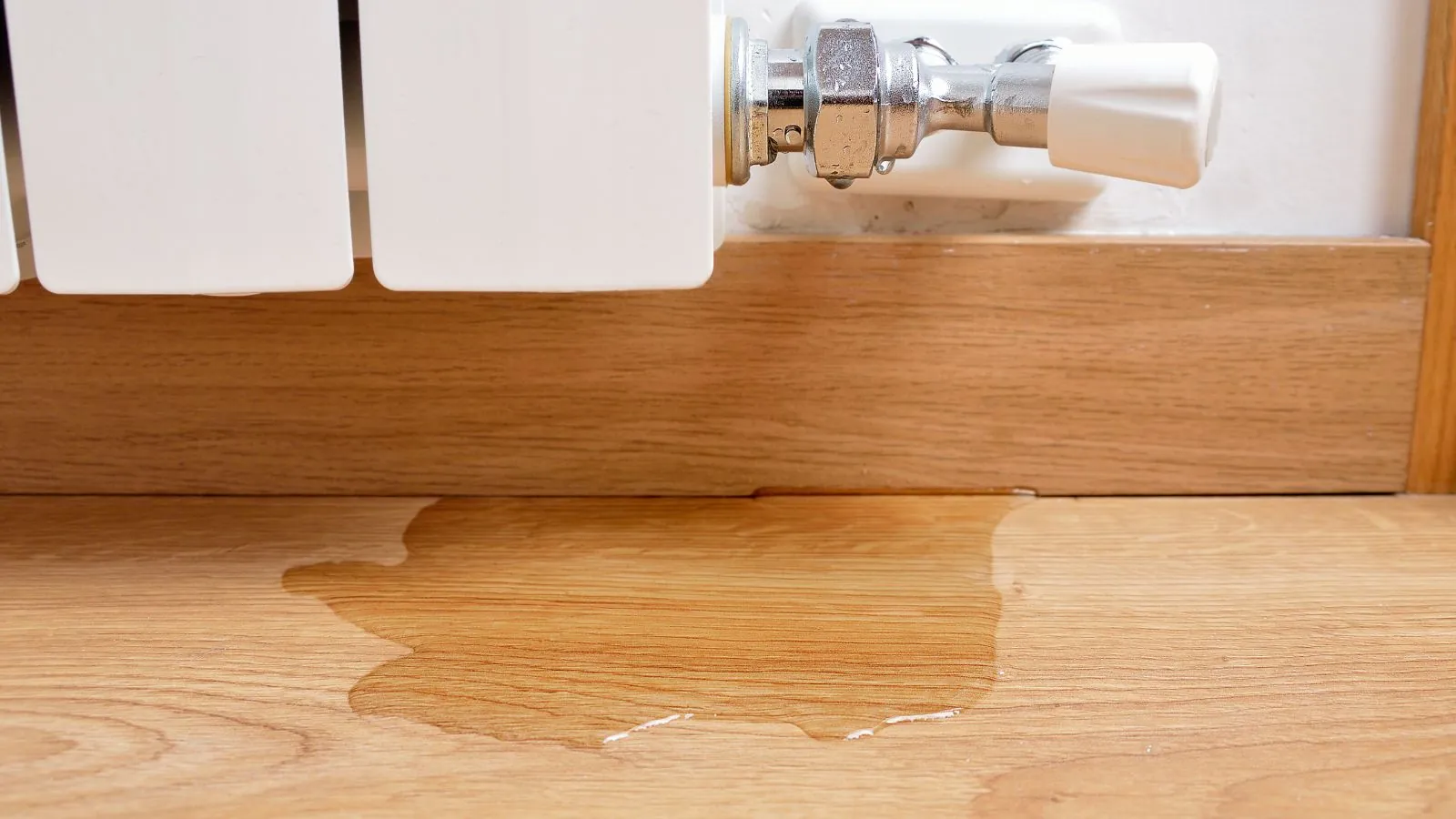
A small leak puts a homeowner in a bind. Filing a claim for a modest loss may not pay much after the deductible, and not filing risks missing coverage if the damage turns out bigger. There is no universal rule, but there is a way to decide with facts instead of worry.
Four questions that decide it
- How big is the loss compared with your deductible, using a written estimate rather than a guess?
- Was the cause sudden and accidental or a gradual leak your policy may exclude?
- Is the damage fully visible, or could moisture be hiding in a wall or a floor?
- Does your policy have conditions on timely notice, mitigation or maintenance?
Each question has a practical way to answer. For the first, get a written scope from a restoration company. For the second, read the cause section of your policy, or ask your agent. For the third, a moisture reading is the best tool. For the fourth, read the notice and duty sections of your policy.
| Situation | Leaning | Why |
|---|---|---|
| Small clean spill, dried in hours, no hidden damage | Often not worth a claim | Loss may be below the deductible |
| Leak behind a wall, moisture found | Look closely at filing | Hidden damage can grow after the deductible |
| Burst pipe with multiple rooms wet | Usually file | Cost typically exceeds the deductible |
| Slow drip over months | Ask first | Gradual damage is often excluded |
| Sewage or sump backup | Check endorsements | Coverage often needs an add-on |
Ask without committing
You can call your agent and ask what your policy covers without describing a loss in detail. Ask how claims are recorded, whether reporting an incident that you do not pursue can affect your record and whether the insurer treats a call as a claim. Policies and practices vary, so ask yours directly and write down the answer.
Michigan's insurance regulator advises telling your insurer you have water damage and asking what coverage applies, rather than guessing at categories. That advice supports asking questions early, since a call to learn what applies is different from filing a claim.
Protect your options
- Photograph and film the leak and the damage before cleanup.
- Keep the failed part and any receipts.
- Get moisture readings so you know whether the damage is bigger than it looks.
- Keep a timeline of when you found the leak and what you did.
- Do not discard damaged items until you have decided how to proceed.
If the leak was a supply line or a hose, the burst pipe page or the appliance leak page explains the cleanup. For a leak behind a wall, see the wall and drywall page.
A short worksheet
- Write down your deductible.
- Write down your best estimate of the repair cost from a contractor, not a guess.
- Subtract the deductible. If the difference is small, think hard before filing.
- Ask whether the source might be excluded, such as long-term seepage or a wear item.
- Ask your agent how a claim might affect renewal, without naming the loss.
This is not advice to avoid claims. It is a way to see the numbers before you act. If the loss is large, if the water was contaminated or if you are unsure of the extent, a claim is usually the right step and the sooner it starts, the better.
Keep a record even if you do not file
Photograph the damage, keep receipts for the repair and note the date of the repair. If a hidden problem appears later, the record shows what was done and when. It also helps if you sell the house, because a buyer or inspector may ask what has been repaired.
Whatever you decide, do not leave wet materials in place while you think. Drying costs little compared with rebuilding. A quick dry-out keeps both choices open, because you can still file a claim afterward with moisture readings and photos in hand.
Taylor, MI: why many leaks sit near the deductible
The Census reports a median owner-occupied home value of $152,600 in Taylor for 2020 to 2024, and that two-thirds of homes are owner-occupied. For a house in that range, a small restoration bill can land close to a typical deductible, which is why this decision comes up so often. Your own deductible is on your declarations page, and your agent can tell you how it applies to water damage specifically.
If you rent, a leak in your unit is first the landlord's business, so tell the owner or manager the same day. Your renter's policy may cover belongings. Source used: U.S. Census Bureau QuickFacts for Taylor city, and Michigan DIFS guidance on reporting water damage.
Do not wait for a visible stain
Many small leaks are small only because they are hidden. A stain that appears weeks later can mean the damage is much larger than the original leak. If you are unsure, have a crew read the moisture. Crews from Taylor serve Southgate and Garden City with the same process.
Questions people ask
Can I call my insurer to ask questions without filing a claim?
You can ask what your policy covers and how claims are recorded. Policies vary, so ask directly and write down the answer.
Does reporting a small leak raise my premium?
It can depend on the insurer and the history. Ask your agent how they treat reported incidents that are not paid.
What if the small leak turns out bigger later?
Policies often have notice requirements. Keep records, and tell your insurer promptly if hidden damage appears.
In Taylor, is a leak that costs about my deductible worth reporting?
It depends on your policy and history. Get a written scope, compare it with your deductible and ask your agent about the effect of reporting.