Water damage insurance claims turn on evidence. The adjuster was not there when the pipe burst, so your photos, your timeline and your restoration records tell the story. This guide covers what to collect, in what order, and where the clock is running, with Michigan's published guidance as the base.
First hour: stop the damage and start the record
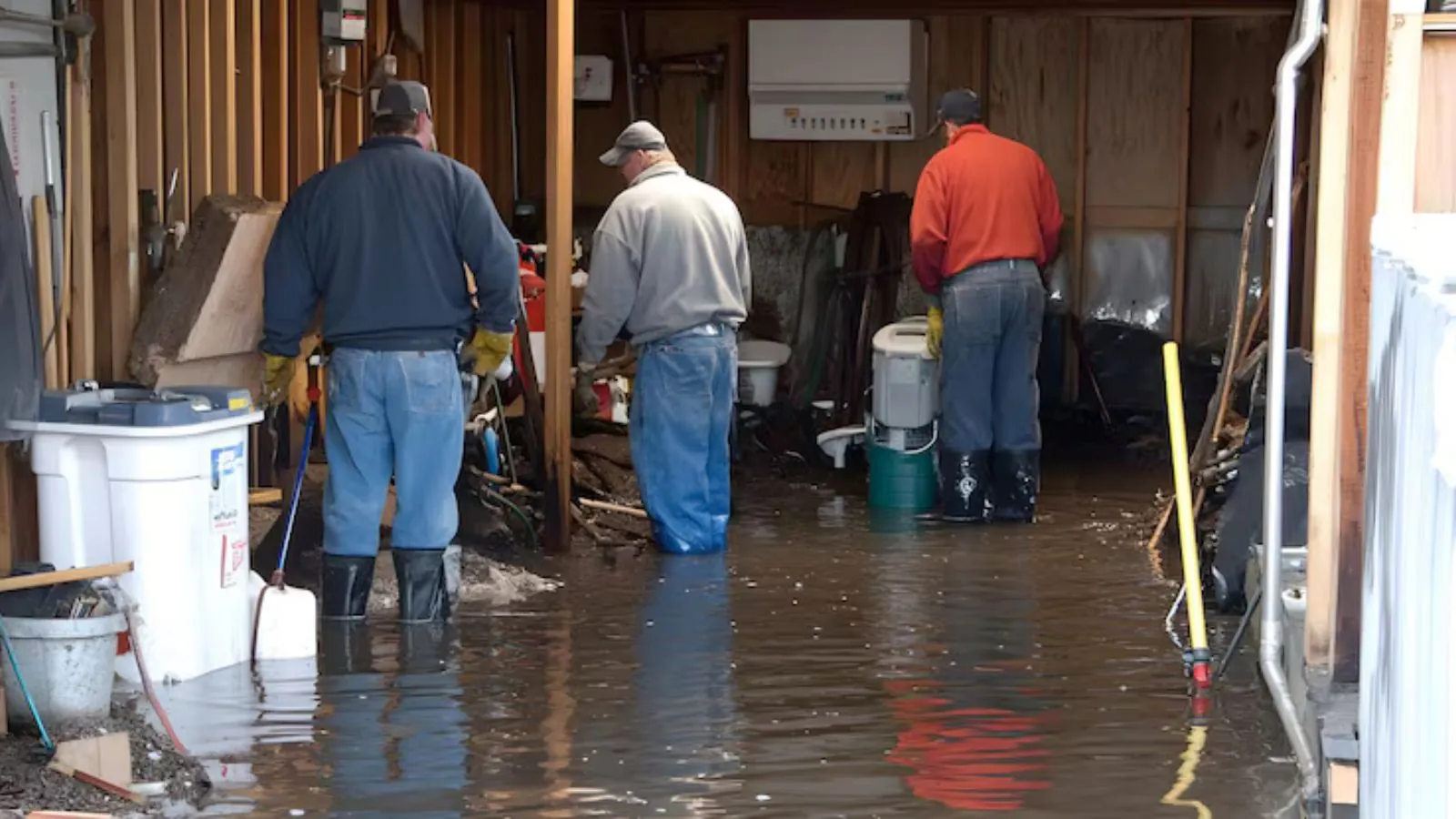
Your policy expects you to take reasonable steps to prevent more damage. That means shutting off the water, removing standing water and calling a restoration company. Take photos and short videos before you move anything, from the doorway of each room and then close up on the source and the damage.
- Shut off the source and make the area safe.
- Photograph and film the damage before moving anything.
- Call your insurer or agent with your policy number and say you have water damage.
- Call a restoration company and ask for a written scope.
- Keep damaged items until your insurer says you can discard them.
What to photograph and write down
| Item | What to capture |
|---|---|
| The source | The failed pipe, hose or appliance, with the part kept if possible |
| Each affected room | Wide shots, close-ups and the date and time |
| Belongings | Photos plus a list with description, age and approximate value |
| Moisture readings | Meter readings and thermal images from the restoration crew |
| Conversations | Who you spoke to, when and what was said |
The scope of work that a restoration company writes is a useful document, because it lists what was wet, what was removed and what equipment ran. It does not decide coverage. It gives the adjuster a specific, line-by-line record to evaluate. A crew that logs moisture readings daily, as described on the structural drying page, produces that record as a by-product of the work.
Talking to the adjuster
Be factual and plain. Say what you saw, when you found it and what you did. Do not guess at causes you cannot know. Ask what the adjuster needs and by when, and ask how they want receipts for emergency work. Keep copies of everything you send.
If you disagree with a decision, ask for the reasoning in writing and compare it with your policy. You can also contact the state insurance regulator. Do not sign over your claim or any rights without understanding what you are signing.
Mitigation costs and the order of work
Emergency mitigation, meaning extraction, removal of ruined material and drying, is time-sensitive, and many policies expect it to happen promptly. Repairs come after, once the structure is dry. Keeping the two phases separate in the paperwork helps, because the insurer can review the mitigation invoice while the repair estimate is being prepared.
Keep a claim diary
Start a simple notebook or note on your phone the moment you call your insurer. Record the date, the name of everyone you speak with, the claim number and what was said. Add the dates of each photo, each estimate and each crew visit. A diary turns a messy month into a clear timeline, and it is easy to hand to an adjuster.
If you disagree with the number
If the estimate your insurer offers is lower than the contractor scope, ask for the reasoning line by line. Send the contractor's moisture readings and photos, and ask in writing for a review. Keep your tone factual and your records tidy. Most differences come down to what the adjuster saw and what the crew measured.
Taylor, MI: the 45-day notice for a sewer system backup
A separate Michigan rule applies if the damage came from a sewage disposal system event, defined by statute as the overflow or backup of a sewage disposal system onto real property, with some exclusions for blockages in private lines.
For claims against the responsible government agency, MCL 691.1419 requires written notice within 45 days after the date the damage or physical injury was discovered. The notice includes the claimant's name, address and phone number, the location of the property, the date the damage was discovered and a short description of the claim.
This is general information drawn from the Michigan Legislature's published text, not legal advice. If you think a public sewer caused your backup, ask the City of Taylor or an attorney which agency to notify and how the rule applies to you. The dirty-water side of the cleanup is on the sewage backup page. Source used: Michigan Compiled Laws sections 691.1416 and 691.1419.
After the claim is paid
Check that the settlement matches the written scope, and ask your contractor to confirm that the repairs match what was estimated. If water damage returned later, keep the original record, since it shows the cause and the dates. For losses that started in a bathroom ceiling or a roof, the ceiling page explains how the cavity is dried before the repair.
Crews working from Taylor also document losses in Inkster and Dearborn, and the same record-keeping habits apply wherever the water is.
Questions people ask
What is the first thing to do before filing a water damage claim?
Stop the source and take photos before moving anything. Then call your insurer or agent with your policy number and say you have water damage.
Should I throw away damaged items quickly?
Not until your insurer says you can. Michigan's insurance regulator advises keeping damaged items until then, and photographing them.
How long do I have to give notice if the city sewer backed up into my home?
Michigan law, MCL 691.1419, sets 45 days after the date the damage was discovered for written notice to the responsible government agency. Ask the city or an attorney how it applies.
Does a restoration company decide whether I am covered?
No. The company documents the loss and explains the scope. Your insurer decides coverage.